
Macro at a glance
In October, the US third-quarter GDP grew at an annualised rate of 3.4%, up from 2.2% in the preceding quarter which shows that the American economy kept demonstrating resilience. This growth can be explained by two primary drivers : consumer spending and business investment. However, the labour market presents a different picture, with only 29,000 jobs added in September and the unemployment rate remaining at 4.2%, this divergence raises questions about whether strong economic growth will translate into sustained employment gains. (BEA; Reuters) The Fed, ECB and Bank of Japan each held their meetings in the last week of October. Each of these major central banks chose to maintain their rates at the same level following a previous hike. This decision is mainly explained by rising energy prices and inflation, with a forward view that rates might continue to increase in the future. Markets are already pricing in a 86,2% probability of rate hikes at the next meeting in December, while central banks are providing very little forward guidance. (Federal Reserve; ECB; Bank of Japan; Reuters) China continued its economic expansion, with its GDP rising by 4.5% year-on-year in the third quarter and industrial production being up 5.5% in September. These numbers show that China maintains its position as an important global actor while facing some weaknesses in the property sector, as shown by its home prices, decreasing by 2.8% year-on-year. Property investment also fell by 20.6% over the first nine months of 2026, raising concerns about the sustainability of China’s economic recovery and its implications for global growth. (National Bureau of Statistics of China) Even with ongoing economic uncertainty, global growth continues to be fairly resilient. The IMF’s October World Economic Outlook forecasts global GDP growth of 3.1% in 2026 and 3.4% in 2027, but underlying regional trajectories reveal important differences. The euro area is projected to expand by only 1.1% in 2026, while the US economy is expected to grow by 2.3%. Meanwhile, the Asia-Pacific region remains a major driver of global expansion, supported by relatively strong growth in emerging economies, particularly India and Southeast Asia, with an expected growth rate of 4.8%. (IMF)
Basic Materials and Energy :
As global energy markets continue to face uncertainty, Saudi Arabia and Singapore entered into a strategic agreement in late October. Under the agreement, Saudi Arabia will store crude oil at the Jurong Rock Caverns in Singapore, with a storage capacity of 1.47 million cubic metres (approximately 9 million barrels). This agreement addresses two different energy security concerns: protecting Saudi Arabia’s ability to export its oil and strengthening Singapore’s resilience as an energy importer. Could this be a broader shift, where resource-importing countries become more than just buyers, evolving into strategic partners that help exporters establish more resilient supply chains? (Trading Economics, METI Singapore) Turning to metals, cobalt prices continued to fall throughout October, despite the DRC maintaining export quotas aimed at strengthening prices. Weaker demand, sufficient inventories and alternative sources of supply, including battery recycling in China, continued to weigh on the market, offsetting the impact of export restrictions. Copper, meanwhile, remained strong, supported by rising Chinese demand and mine disruptions that continued to constrain supply. (S&P Global, Reuters)
Consumption and General Public Services :
October's results revealed a growing divide in consumer behaviour. LVMH (MC.PA) reported a 5% organic decline in its Fashion & Leather Goods division in Q3, with weaker Chinese demand weighing on sales. For an industry built on brand strength and pricing power, this slowdown is significant. Even established luxury groups are finding it harder to sustain demand at higher price points. (LVMH; Reuters) Meanwhile, the US consumer remains an important driver of economic growth. Figures released in October showed consumer spending increasing at a 3.8% annualized rate in Q3, contributing to GDP growth of 3.4%. However, this resilience is increasingly supported by wealthier households, while many consumers continue to face pressure from elevated prices. The contrast suggests that spending is not necessarily declining, but that purchasing decisions are becoming more selective. In this environment, companies that can demonstrate genuine value, rather than relying solely on brand reputation, may be better positioned to maintain their sales and margins. (Reuters; Federal Reserve Bank of New York)
Financial Services :
Binance suffered a major cyberattack on October 30th, impacting over 6 billion USD in customer assets and potentially marking the largest crypto exchange security breach to date. The incident raises questions about the security of digital asset platforms and investor confidence, particularly because this technology is often sold on the promise of unmatched transparency, security and traceability. (CNBC, Binance) On the public markets, IPO proceeds rose 151% in the first nine months of 2026 compared to the same period in 2025, despite a 3,7% decline in the number of listings. This reflects several larger offerings, including SpaceX (SPCX) and SK Hynix(SKHY). But why are fewer companies choosing to list? Geopolitical tensions, inflation, and cybersecurity incidents may be some of the factors contributing to uncertainty and weaker investor risk appetite, encouraging companies to delay listings and maintain reliance on private funding. (Yahoo Finance, EY, Harvard)
Healthcare :
Moderna (MRNA) and Merck (MRK) reported encouraging results for a new mRNA cancer vaccine aimed at preventing melanoma from returning after surgery by training a patient's immune system to attack cancer cells. In a large clinical trial, combining the vaccine with Merck’s existing cancer drug reduced the risk of cancer returning or death by 42%.After 2 years, 82% of patients receiving both treatments remained cancer-free, compared with 70% receiving the extant drug alone. While the results are promising, regulatory approval is still needed before the vaccine can reach the market. Meanwhile, the same enthusiasm for mRNA showed up in dealmaking with Novartis (NOVN) as they signed a 7.8 billion$ deal with China’s Abogen to develop treatments for autoimmune diseases which occur when the immune system mistakenly attacks healthy tissues. Novartis will initially pay 575 million $ with the remaining payments depending on future developments and commercial success. The agreement also reflects a larger trend within the pharma industry, as companies are increasingly looking towards Chinese biotech firms for innovation. It also shows how mRNA technology, initially popularized through COVID-19 vaccines, is finding new applications in medicine. (Reuters)
Industrials :
This month, the European Union and China entered into a preliminary trade agreement intended to ease tensions between the two economies. Over the next four years, the deal could cut Chinese hybrid vehicle exports to Europe by more than half, providing some relief to European automakers that face intensifying competition. China also engaged in facilitating exports of rare earths and permanent magnets, which are essential materials for automotive and industrial production. (Reuters; Euronews) Air Liquide (AI) positioned itself as a strong performer, with its Electronics division posting 12% comparable sales growth in the third quarter and total revenue reaching €7.26 billion, above market expectations. What makes this growth interesting is the increasing importance of specialized industrial gases in semiconductor manufacturing. As production processes become more complex, companies such as Air Liquide play an essential role in supplying the materials manufacturers depend on, even if they remain less visible than the chipmakers themselves. (Reuters; Air Liquide)
Technology and Network Equipment :
AI spending is becoming a growing concern for investors, Alphabet (GOOGL) spent 51.4 billion $ on infrastructure in Q3 alone, more than double last year’s figure and expects up to $205 billion for the full year. Amazon (AMZN), Meta (META) and Microsoft (MSFT)’s combined free cash flow fell 59% from Q2. Hence, investors are seriously starting to question how quickly the revenues will justify these costs. But money is no longer the only limit since Microsoft lowered its annual forecast to $170 billion because some third-party capacity deliveries arrived late, a sign that supply of equipment and infrastructure is struggling to keep up with the budgets. Hence, the massive infrastructure expansion and all its bottlenecks, is creating significant opportunities for the companies supplying it. Which brings us to our stock of the month… (Platfornomics, Reuters)
The stock of the month
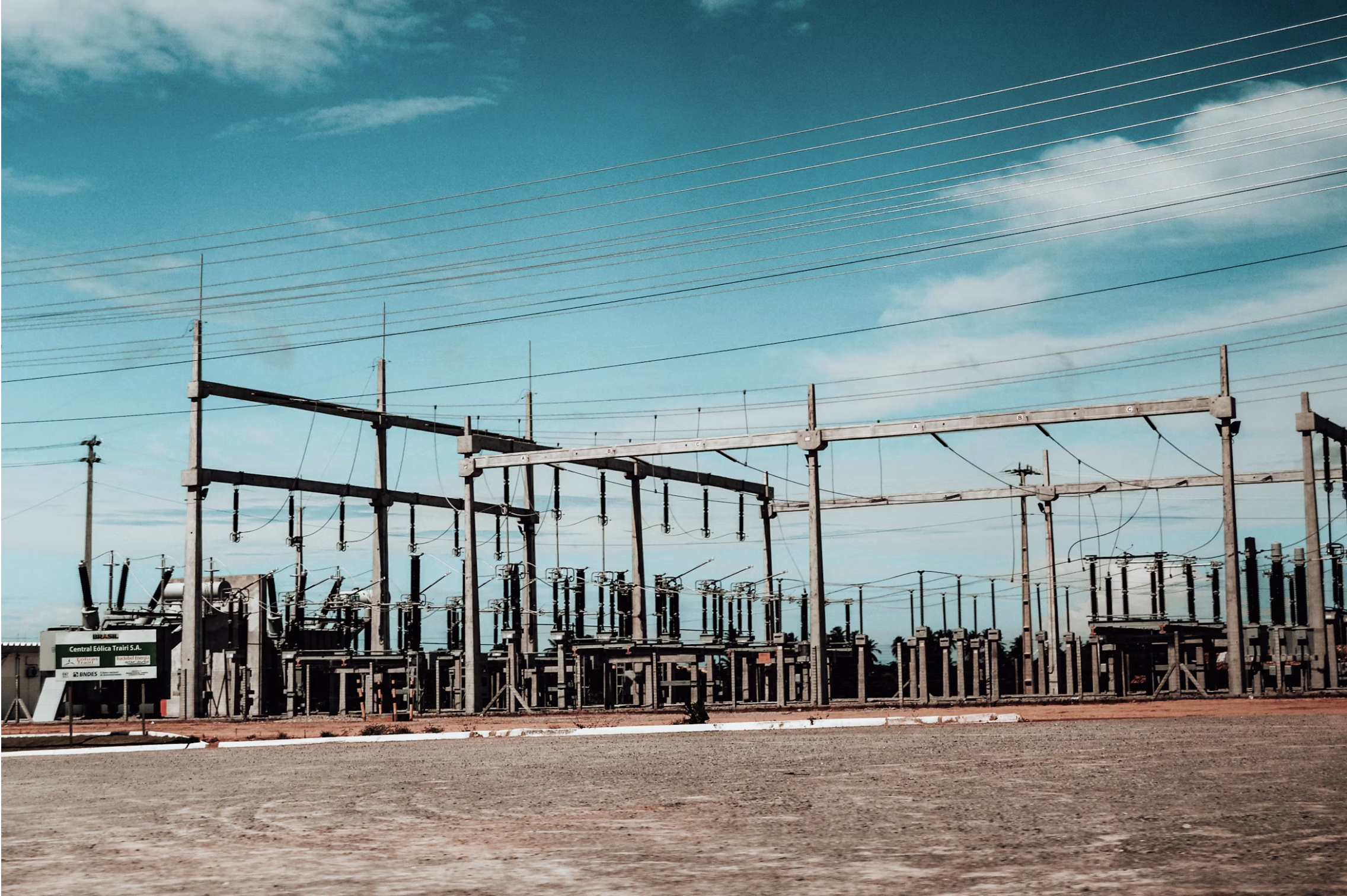
GE Vernova (GEV) highlights a growing challenge facing the AI industry: access to reliable electricity. In Q3, the company reported 27% revenue growth, $29 billion in orders and a record $197 billion backlog, reflecting strong demand for power generation and grid infrastructure. It also announced a $9 billion agreement to acquire Trench Group, strengthening its position in high-voltage equipment. Despite these developments, its shares declined nearly 10% in October, illustrating the gap between operational growth and market expectations. (GE Vernova; Reuters) More broadly, the AI race is no longer simply about developing the most advanced models. Electricity supply, cooling systems, grid connections and construction costs are becoming major obstacles to data centre expansion. Building the infrastructure needed to support AI is proving increasingly complex and expensive. GE Vernova illustrates this shift particularly well. The next stage of AI development may depend as much on overcoming these physical constraints as on technological breakthroughs themselves. (Reuters) Key performances