
Macro at a Glance
A temporary ceasefire between the United States and Iran announced on April 8 quickly unraveled due to disagreements about whether Lebanon was included. Israel continued operations in Lebanon while Hezbollah resumed attacks. The Strait of Hormuz remained partially closed with severely disrupted shipping by month's end.
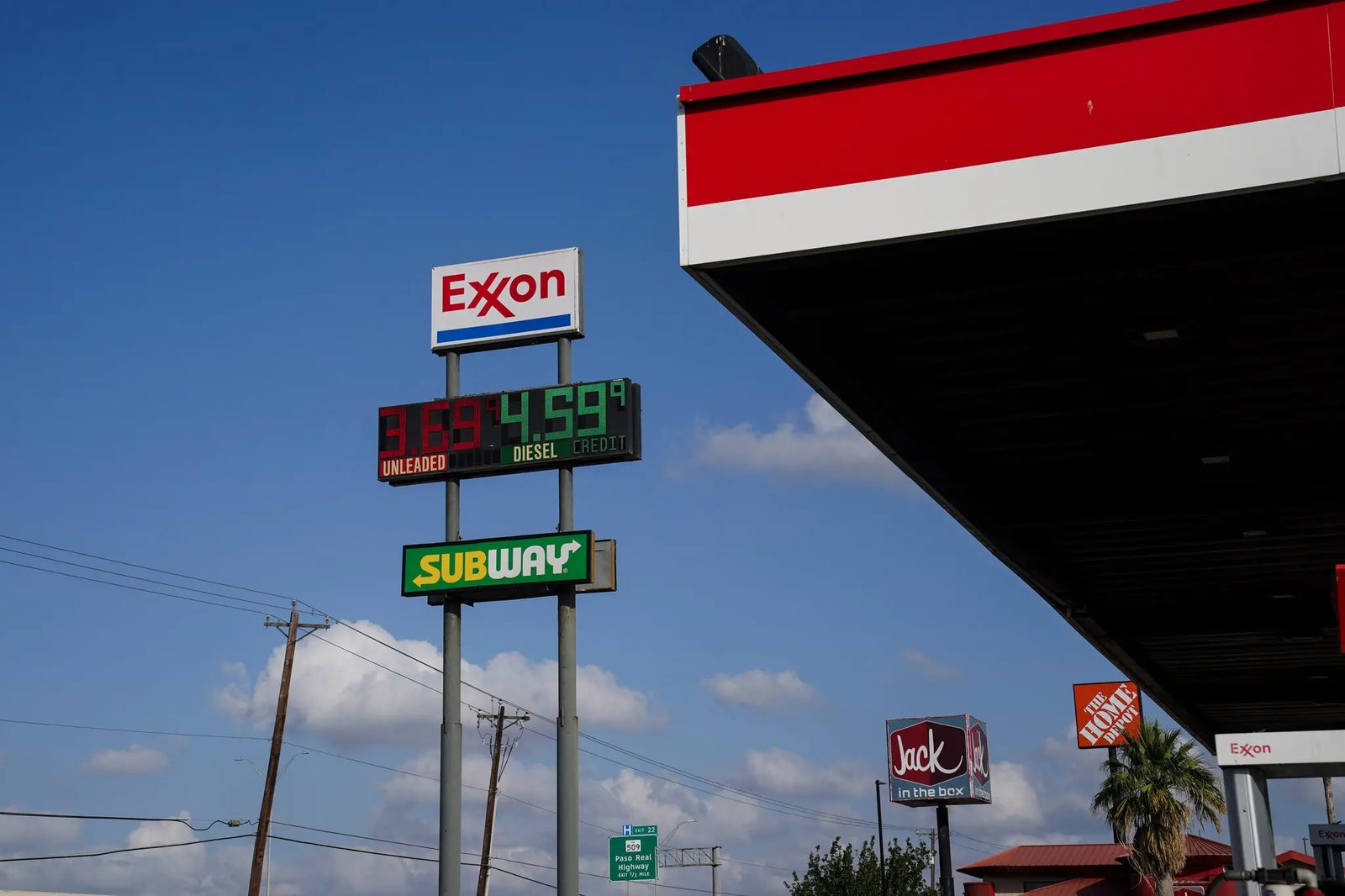
Geopolitical tensions fueled inflationary pressures across major economies. The eurozone experienced 3% annual inflation, while U.S. CPI reached 3.3% with energy prices up 12.5% year-on-year. Japan's core inflation climbed to 1.8%. The World Bank projects a 24% surge in energy prices for 2026 due to Middle East instability.
Energy supply concerns intensified as TotalEnergies' CEO warned that prolonged Strait of Hormuz disruption could trigger European energy scarcity within two to three months if "available buffers had already been absorbed." The UAE announced its departure from OPEC and OPEC+ effective May 1, ending 59 years of membership.
Jerome Powell concluded his tenure as Federal Reserve Chair during the April 28-29 FOMC meeting, maintaining the federal funds rate at 3.50%-3.75%. President Trump nominated Kevin Warsh, a former Fed Governor, as Powell's successor. At his Senate hearing, Warsh pledged to act as an "independent actor" and rejected suggestions he would cut rates under political pressure.
One Sector, One Insight
Basic Materials and Energy
SLB and Halliburton executives indicated crude oil prices would remain elevated beyond the conflict's immediate duration. Both companies cited infrastructure damage, production halts, and persistent geopolitical risk premiums maintaining higher price levels. Their shares gained nearly 50% since year-start.
Goldman Sachs raised fourth-quarter forecasts to $90/barrel for Brent and $83 for WTI, warning prices could reach $120 if Gulf exports fail to normalize by late July.
Consumption and General Public Services
LVMH's Bernard Arnault cautioned shareholders that unresolved Middle Eastern conflict poses catastrophic economic risks. The luxury giant reported only 1% organic sales growth in Q1, with the Iran war subtracting one percentage point. Kering experienced an 11% Middle East retail revenue decline, while Hermès faced significant wholesale disruptions in concession stores and airport sales.
Financial Services
Switzerland's Federal Council published capital requirements for UBS requiring $37 billion in additional CET1 capital total. The package combines $22 billion from Swiss regulations and approximately $15 billion from Credit Suisse acquisition costs. UBS criticized the measures as "extreme" and misaligned with international standards.
Healthcare
Sun Pharmaceuticals agreed to acquire New Jersey-based Organon & Co. for $11.75 billion enterprise value—India's largest pharmaceutical acquisition. Shareholders receive $14 per share (24% premium). The deal elevates Sun into the top 25 global pharmaceutical companies but increases leverage, with projected net debt-to-EBITDA at 2.3x following Organon's $8.6 billion debt assumption.
Industrials
Amazon announced acquisition of Globalstar for $11.57 billion, offering shareholders $90 per share (31% premium). The purchase adds two dozen satellites to Amazon's 200-satellite constellation, securing Direct-to-Device capability for smartphone connectivity without cell towers—launching in 2028. Regulatory deadlines require half of Amazon's 3,200-satellite constellation deployed by July 2029.
SpaceX preparations for a June Nasdaq listing at $1.75 trillion valuation would constitute history's largest IPO.
Technology and Network Equipment
Intel stock surged 24% to an all-time record $82.57, exceeding its dot-com bubble peak from 2000. Q1 revenue reached $13.6 billion (up 7%), beating expectations. CEO Lip-Bu Tan cut 15% of workforce and canceled expensive projects while establishing partnerships with Elon Musk regarding Terafab site operations. Tesla and SpaceX plan using Intel's advanced 14A manufacturing process.
The Stock of the Month
Avis Budget Group experienced an extraordinary short squeeze, rising from $147.52 opening price on April 1 to an intraday high of $847.70 on April 22, closing at $180.60. According to Ortex data, 86.2% of float was shorted while two entities controlled over 71% of outstanding shares. This disconnect between technical pressure and fundamentals reversed quickly as squeeze pressure subsided.
Key Performances
| Index/Asset | April 30 Close | Monthly Change | YTD Change |
|---|---|---|---|
| S&P 500 | 7,209.01 | +13.64% | +5.31% |
| Dow Jones | 49,652.14 | +9.81% | +3.31% |
| NASDAQ | 24,892.31 | +19.71% | +7.10% |
| FTSE 100 | 10,378.82 | +2.48% | +4.51% |
| CAC 40 | 8,114.84 | +4.41% | -0.43% |
| DAX | 24,292.38 | +7.67% | -0.81% |
| SMI 20 | 13,136.27 | +3.69% | -0.99% |
| MSCI World | 4,661.73 | +10.19% | +3.98% |
| VIX | 25.25 | +27.14% | +68.90% |
| CHF/USD | 1.2797 | +1.14% | +0.23% |
| CHF/EUR | 1.0826 | -0.55% | +0.76% |
| Brent $/bbl | 111.30 | +8.64% | +84.66% |
| Gold $/oz | 4,630.20 | -2.85% | +5.64% |
Upcoming Events
- May 3: OPEC meeting without UAE
- May 12-13: U.S. CPI and PPI (April data)
- May 20: Nvidia earnings